
Neurology Clinic
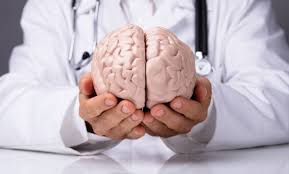
1. What conditions does the Neurology Clinic treat?
The Neurology Clinic deals with all diseases and conditions related to the central and peripheral nervous system.
Headaches and migraines: Diagnosing causes of chronic headache, migraine, tension headache, or cluster headache.
Movement and balance disorders: Dizziness, loss of balance, walking difficulties, body balance disorders due to neurological or inner ear diseases.
Memory and concentration problems: Memory decline due to aging, chronic neurological diseases, or after brain injuries.
Peripheral neurological diseases: Nerve inflammations, numbness, carpal tunnel syndrome, diabetic neuropathy.
Hemiplegia and strokes: Follow-up and treatment of stroke patients, designing neuro-rehabilitation programs to restore movement and neurological functions.
Chronic and complex diseases: Such as multiple sclerosis, Parkinson’s disease, Alzheimer’s disease, and rare neurological disorders.
2. What tests are performed in the clinic?
Magnetic Resonance Imaging (MRI) of the brain and spinal cord: To diagnose tumors, multiple sclerosis, nerve inflammations, or strokes.
Electromyography / Nerve Conduction Studies (EMG/NCS): To evaluate nerve and muscle function and diagnose peripheral neuropathies.
CT scan: To examine the brain and spine in cases of bleeding or acute injury.
Electroencephalography (EEG): To diagnose epilepsy and brain electrical activity disorders.
Memory and concentration tests: To assess cognitive functions and mental abilities in elderly patients or after head injuries.
3. How is the treatment plan determined for each patient?
After a full assessment and tests, the doctor determines:
Accurate diagnosis of the neurological condition.
Determining appropriate medication (e.g., anti-epileptic drugs, anti-inflammatories, memory enhancers, or antispasmodics).
Neuro-rehabilitation programs for conditions like hemiplegia or movement disorders.
Regular follow-up to evaluate treatment response and adjust the plan as needed.
4. Does the clinic treat emergency cases?
Yes, the clinic is equipped to handle emergency cases such as:
Strokes or cerebral thrombosis.
Acute brain hemorrhage.
Severe and recurrent epileptic seizures.
Neurological injuries resulting from accidents or falls.
5. What distinguishes the Neurology Clinic at Salem Center from others?
Latest diagnostic devices: Using MRI, nerve tests, and high-resolution CT scans.
Comprehensive evaluation for each patient: Diagnosis is based not only on symptoms but also on detailed tests to ensure accuracy.
Individual treatment plan: Each patient has a personalized plan, whether medication or rehabilitation.
Specialized and experienced medical team: Supervised by Prof. Mariet Fahmy, one of the experts in neurology.
6. Is there follow-up after treatment?
Yes, Salem Center ensures follow-up for every patient after starting treatment:
Regular review to assess improvement or any side effects of treatment.
Adjusting doses or treatment plan according to response.
Ongoing neuro-rehabilitation programs for chronic cases or post-stroke.
Providing prevention and quality-of-life advice, such as mental exercises or neuro-physical therapy.
7. Who are the doctors responsible for the clinic?
The clinic is supervised by a team of specialized doctors:
Prof. Abdelaziz Aboul-Aa
Prof. Mohamed Talaat
The team works to provide comprehensive care combining accurate diagnosis, advanced treatment, and psychological support for the patient.